
Coffee Flavor and Influencing Factors: From Growing Regions to Roasting Process
- O'Petit Sale
- Sep 24, 2024
- 4 min read

Coffee is much more than just a beverage. Its taste is influenced by a multitude of factors, from where the coffee is grown to how it is processed, roasted, and brewed. Understanding the intricacies of coffee flavor helps deepen appreciation for each cup, revealing a world of sensory possibilities. This guide explores how growing regions, cultivation practices, and roasting techniques shape the distinct flavors that define coffee.
>>>>Read more: Arabica coffee – renowned for its smooth taste and rich aroma.

The Origins of Coffee Flavor
The foundation of coffee’s flavor begins with the plant itself. There are two primary species of coffee plants—Arabica and Robusta—each contributing distinct flavor profiles. Arabica beans are prized for their complex flavors and smooth body, often boasting fruity or floral notes. Robusta, on the other hand, is typically bolder, with a more bitter, earthy flavor.
Beyond species, the genetic makeup of the beans significantly influences taste, making each variety unique. Factors like sugar content, oils, and acidity vary among bean types, directly affecting the final flavor of the brewed coffee.
>>>>Read more: Espresso – The essence of alertness.
Growing Regions and Their Impact on Coffee Flavor
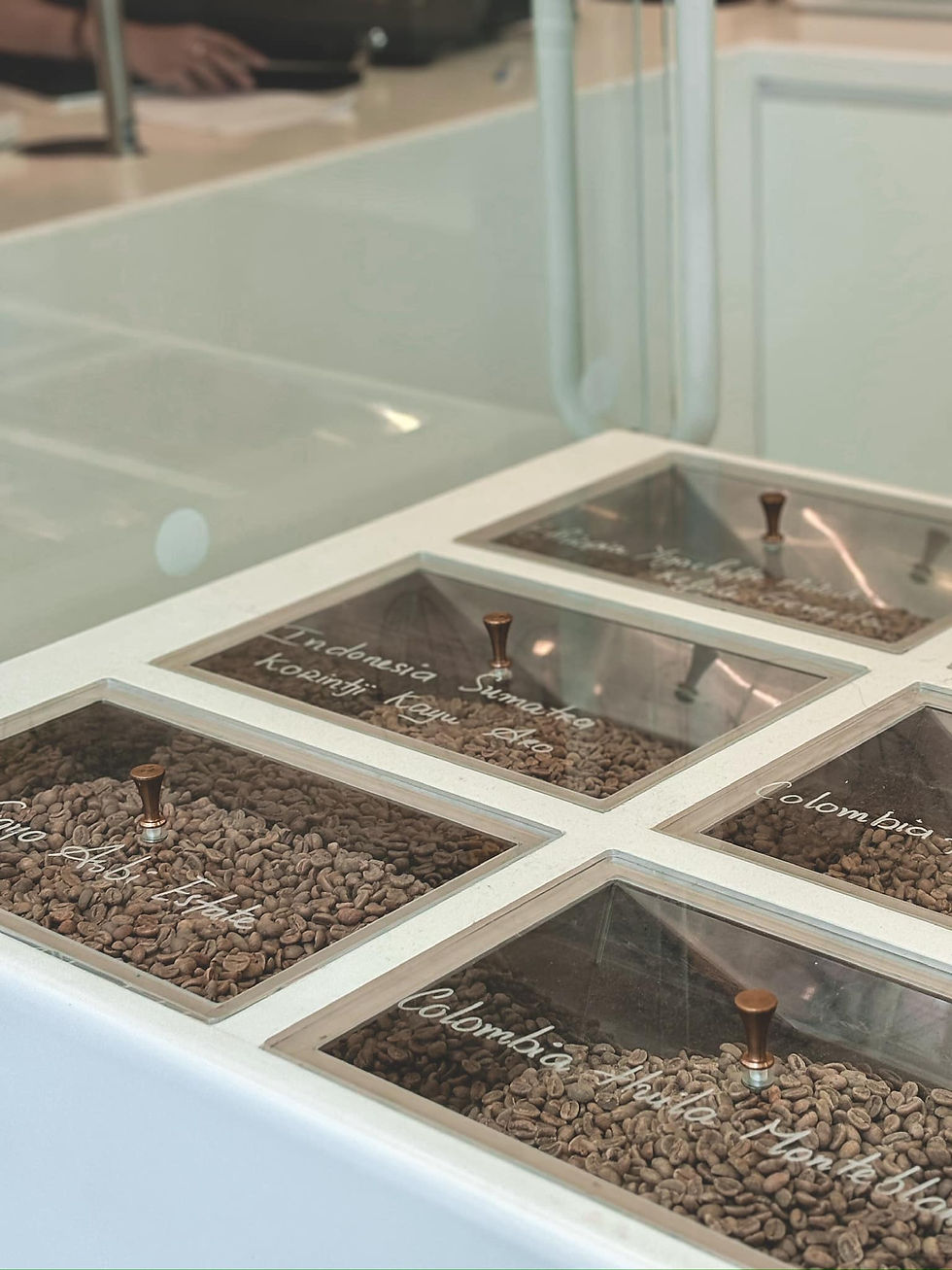
One of the most critical factors in coffee flavor is the region where it’s grown. This is known as the coffee’s "terroir," which encompasses the environmental conditions that affect the growth of coffee plants.
Climate and Altitude: High-altitude regions generally produce coffee with brighter acidity and more complex flavor profiles. The cooler temperatures slow down the maturation of the beans, allowing for more intricate flavors to develop. For instance, Ethiopian coffee is renowned for its vibrant, fruity notes due to the country's high altitudes.
Soil Composition and Rainfall: The minerals and nutrients present in the soil can add depth and richness to coffee. Volcanic soils, for example, are known to impart distinct qualities, such as the spiciness often found in beans from Hawaii’s Kona region. Additionally, consistent rainfall in tropical regions ensures the proper growth and ripening of coffee cherries.
>>>>Read more: Robusta – strong, bold, and full of intensity.
Coffee Cultivation and Processing Methods
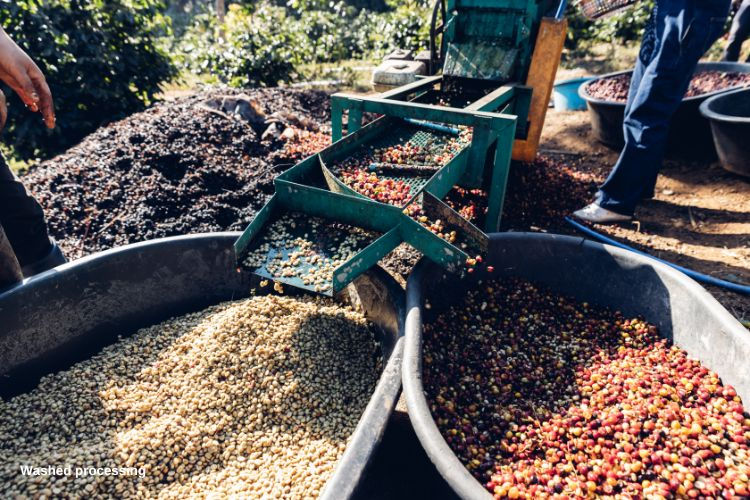
Once harvested, the way coffee is processed significantly affects its flavor. Two primary methods exist: natural (dry) processing and washed (wet) processing.
In the natural method, the coffee cherries are dried with the fruit still intact. This imparts a fruity, sometimes wine-like flavor to the coffee. Washed processing, on the other hand, removes the fruit before drying, resulting in a cleaner, brighter cup with more pronounced acidity.
The fermentation and drying stages also influence the flavor. Extended fermentation can bring out unique flavors, but it can also risk over-fermentation, which might produce undesirable sour notes.
How Coffee Varieties Affect Flavor
Whether you’re enjoying a single-origin coffee or a blend, the bean variety plays a key role in flavor. Single-origin coffees, sourced from one specific region or even one farm, offer a pure taste of the terroir. Blends combine beans from multiple regions, balancing flavors to create a harmonious cup.
For instance, a Brazilian coffee might offer rich, nutty undertones, while beans from Kenya are known for their bright acidity and fruity flavors. Blends can combine these characteristics, creating a more well-rounded flavor profile.
>>>>Read more: Moka coffee – bold, with a chocolatey richness and deep aroma.
The Role of Roasting in Defining Coffee Flavor
Roasting is where the true artistry of coffee comes into play. Different roasting levels—light, medium, and dark—bring out different flavors in the beans. A light roast preserves the bean’s natural flavors, resulting in brighter acidity and floral or fruity notes. Medium roasts offer a balance between acidity and body, while dark roasts tend to highlight deeper, more robust flavors with caramel and chocolate undertones.
Chemical changes during roasting, such as caramelization and the Maillard reaction, are responsible for the transformation of raw beans into the flavorful coffee we drink. These reactions develop sugars and oils in the beans, producing the rich aromas and tastes characteristic of well-roasted coffee.
>>>>Read more: Vietnam cacao – bold, fruity, and rising on the global stage.

How Roasting Time and Temperature Influence Taste
The length of time and temperature during roasting also play a crucial role. Short roasting times at lower temperatures retain more of the bean’s original flavor, resulting in a delicate, light cup. Conversely, longer roasting times at higher temperatures can bring out darker, more caramelized flavors, often reducing the acidity in favor of a fuller body.
Roasters must balance the development of acidity, sweetness, and bitterness to create a pleasing profile. For example, a slow, low-temperature roast may highlight fruity acidity, while a faster, high-temperature roast emphasizes deep, roasted flavors.
Grinding and Brewing: Maximizing Coffee Flavor
The final steps in unlocking a coffee’s full potential are grinding and brewing. Grind size is essential; finer grinds are suitable for espresso machines, while coarser grinds are ideal for methods like French press. The coffee-to-water ratio and extraction time also directly influence the taste. Under-extraction can result in sour notes, while over-extraction produces bitterness.
Brewing methods, like espresso or drip, highlight different aspects of the coffee’s flavor, making the correct method vital for achieving the desired profile.
FAQs
What is the difference between Arabica and Robusta coffee beans?
How does the region where coffee is grown affect its flavor?
What are the different coffee processing methods?
How do roasting levels change the taste of coffee?
Does grind size affect coffee flavor?
What is the best way to store coffee for freshness?
Source: https://www.opetitmaison.com/en


Comments